TAG Grading
Technical Authentication and Grading
TAG is actively evaluating a wide range of cards, including:
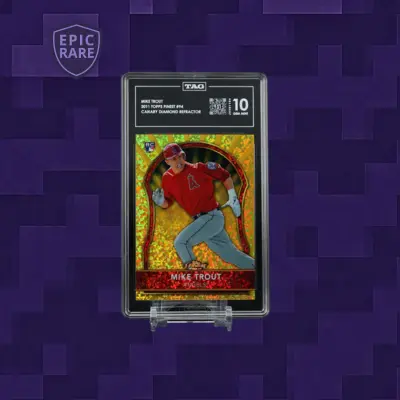
Sports Cards
Baseball, Basketball, Football, Hockey, Soccer, UFC, Racing, Golf, Tennis, Boxing, Extreme Sports, Wrestling, and Multi-Sport.
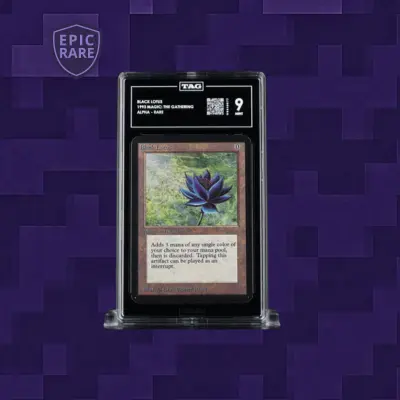
Trading Card Games (TCGs)
Pokémon (English/Japanese), Magic: The Gathering, Disney Lorcana, Dragon Ball (English/Japanese), One Piece (English/Japanese), Union Arena, Universus, Digimon, Weiß Schwarz, and many more.

Entertainment Cards
Popular licensed themes such as Marvel, Star Wars, Fortnite, Garbage Pail Kids, music, television, movies, politics, and more.
Grading Eligibility:
- The cards must be standard sized, 2.5" x 3.5"
- The cards must be from the year 1989 - Present and can be no thicker than 50pt Stock.
- Pokémon "Error" cards are not accepted by TAG at this time.
- TAG is accepting pack-pulled autographed cards.
- TAG is not grading Die-Cut, Lenticular, Acetate, Sketch Cards or Memorabilia cards at this time.
Grade: TAG Pristine
Score: 990 - 1000
CENTERING:
Front image centered within a tolerance of ~51/49 and back image within ~54.5/45.5 (Sports) or ~52/48 (TCG).
CORNERS:
A card will display virtually flawless corners. No visible wear or fraying. Under high resolution imagery, the corners appear sharp and crisp with little to no fill or fray artifacts.
SURFACE:
A flawless surface, exhibiting only Non-Human Observable Defects (NHOD’s).
EDGES:
A card will display virtually flawless edges. Under high resolution imagery, the edges have very minor fill or fray artifacts.
Grade: Gem Mint
Score: 950 - 989
CENTERING:
Front image centered within a tolerance of ~55/45 and back image within ~70/30 (Sports), or ~65/35 (TCG).
CORNERS:
A card will display 4 sharp corners, showing minor fill or fray artifacts. Very minor surface wear may be visible under high resolution imagery. A light but visible corner touch or two may be apparent on the reverse. The corners will still be sharp & square.
SURFACE:
An extremely attractive surface. A slight print imperfection may appear under hi-res imagery. A very minor defect such as a very small pit, light scratch that does not penetrate the gloss or a light print or refractor line may be present. Scoring is impacted by region. Back may have multiple print lines as well as a larger, deeper pit.
EDGES:
An edge may display minor fill or fray. Very minor edge surface wear may be visible under high resolution imagery.
Grade: Mint
Score: 900 - 949
CENTERING:
Front image centered within a tolerance of ~60/40 and back image within ~90/10 (Sports) or ~75/25 (TCG).
CORNERS:
Corners will still appear sharp and square. Up to two very light corner touches, where the stock has been compromised, and are visible on the front of the card, may be present. Multiple corner touches on the back will be present. More significant fill or fray artifacts are present under high resolution imagery.
SURFACE:
A larger and deeper pit may be present. May have 2 or 3 small pits and/or a longer scratch not penetrating the gloss. May have a light but present print line or refractor line that runs the length of the card, vertically or horizontally. Has a minor print imperfection or multiple spots. A small scratch that penetrates the gloss on the back is visible. Multiple, more visible print lines present.
EDGES:
Visible but minor edge surface wear on one or two edges. More significant fill or fray artifacts are present under high resolution imagery.
Grade: Near Mint - Mint+
Score: 850 - 899
CENTERING:
Front image centered within a tolerance of ~62.5/37.5 and the back centered within ~95/5 (Sports) or ~85/15 (TCG).
CORNERS:
Corners will still appear sharp and square. Multiple light corner touches on the front, where the stock has been compromised are visible. A small amount of missing stock may be present on the back corners. Fray artifacts become more visible.
SURFACE:
Multiple surface defects are presenting themselves. A small scratch penetrates the gloss of the card is present. Multiple refractor or print lines are present. Very minor scuffing might be present. Subtle focus imperfections might be present around the image or logos.
EDGES:
Visible edge surface wear or light chipping on multiple edges on the front. Fray artifacts may become more visible.
Grade: Near Mint - Mint
Score: 800 - 849
CENTERING:
Front image centered within a tolerance of ~65/35. For TCG, backs should be centered within a ~95/5. The back may show a tiny sliver of border, but may not be miscut or have a portion of another card displayed.
CORNERS:
A corner may start to show minor wear. Other corners still appear square but display light corner touches on the front. The back corners show a little more wear. Fray artifacts continue to become more visible and significant, while very minor areas of fill, start to show under high resolution imagery.
SURFACE:
Several defects mentioned above are present. The combination of any, depending on their size, area and location are all factors. Minor but larger areas of print imperfections are present. A minor roller line might be visible on the front or back.
EDGES:
Edge surface wear and minor chipping is present on all four edges. Fray artifacts continue to become more visible and significant while very minor areas of fill start to show under high resolution imagery. Slightly more tolerance (can this be quantified) is given to the back of the card where surface wear and chipping are present. Minor lifting to the edge may start to become visible.
Grade: Near Mint+
Score: 750 - 799
CENTERING:
Image centered within a tolerance of ~67.5/32.5 on the front. The back may show a tiny sliver of border, but may not be miscut or have a portion of another card displayed.
CORNERS:
Corners will show a little more wear and may start to lose their sharpness. All four corners on the front may have touches where the stock has been compromised and are visible. Slight fraying on the corner surface will be present.
SURFACE:
A very minor dent to the front of the cards surface might be visible. All defects continue to become more prevalent. Multiple visible defects in and around the facial region (most impactful).
EDGES:
Edge surface wear and chipping continue to worsen. Areas of fray become larger and more visible. More significant lifting to an edge or minor lifting on multiple edges are visible. The edges start to lose their smoothness and show a rougher appearance.
Grade: Near Mint
Score: 700 - 749
CENTERING:
Image centered within a tolerance of ~70/30 on the front. The back may show a tiny sliver of border, but may not be miscut or have a portion of another card displayed.
CORNERS:
Corners still appear square but multiple corners display fraying on the corner surfaces. A slight bend or hit to the corner that compromises the card surface might be present. Larger artifacts of fray on the corners edge are clearly visible.
SURFACE:
A minor dent might now impact both the front and back of the card. Multiple print dots (print defects) throughout the card are visible.
EDGES:
A minor “notch”, which starts to impact on the edges surface, might become visible. Lifting to all four edges visible. Edge surface wear and chipping now completely visible.
Grade: Excellent - Mint+
Score: 650 - 699
CENTERING:
Image centered within a tolerance of ~72.5/27.5 on the front. The back may show a tiny sliver of border, but may not be miscut or have a portion of another card displayed.
CORNERS:
A corner may start losing its shape due to more excessive corner surface wear, a bend or dinged corner or a larger area of fill that distorts the appearance of a corner. Three or four corners showing significant fraying or chipping to the corner surface.
SURFACE:
All of the above may be visible and continuing to worsen. The appearance of a very short wrinkle coming off an edge on the back could be present under high resolution imagery. A small area of water damage could be present on the back.
EDGES:
Minor notch on two edges might be present. Fray artifacts are clearly visible and areas of fill that start to give the appearance of waviness to the edge might be present.
Grade: Excellent - Mint
Score: 600 - 649
CENTERING:
Image centered within a tolerance of ~75/25 on the front. The back may show a tiny sliver of border, but may not be miscut or have a portion of another card displayed.
CORNERS:
One corner may start to show some slight rounding. Fraying is more prevalent on multiple corners. Multiple corners may start to show more significant wear on both the front and back of the card. A slight bend or ding is now clearly present on a corner.
SURFACE:
A longer, more visible wrinkle is present on the back. Light staining may start to appear on the back of the card as well. Larger dent or multiple minor dents could be present. More significant surface scuffs are present in a single area. The focus of the card is off, demonstrating a two for one effect on certain objects (eyes, buttons, letters, logo on hat, etc).
EDGES:
Minor notches on three or more edges, or one severe notch on a single edge are present. Larger areas of chipping that significantly impact the cards surface are present. Roughness continues to worsen.
Grade: Excellent+
Score: 550 - 599
CENTERING:
Image centered within a tolerance of ~77.5/22.5 on the front. The back may show a tiny sliver of border, but may not be miscut or have a portion of another card displayed.
CORNERS:
Very minor corner rounding will be present on one or two corners. A more severe bend or slight wrinkle may now be present on a corners surface.
SURFACE:
A small wrinkle on the front of the card may be present. Multiple small wrinkles on the back are possible. Light staining to the front of the card is visible. Small area of water damage present on front.
EDGES:
A severe notch on two edges present. Larger areas of chipping on multiple edges impacting the card’s surface may be apparent.
Grade: Excellent
Score: 500 - 549
CENTERING:
Image centered within a tolerance of ~80/20 on the front. The back may show a tiny sliver of border, but may not be miscut or have a portion of another card displayed.
CORNERS:
Rounding of a corner or two becomes slightly more significant. Larger areas of corner surface wear or chipping are visible. All four corners have lost their squareness due to surface wear, dings or fill issues. Excessive fray artifacts visible and distracting on multiple corners.
SURFACE:
Multiple small wrinkles present on the front. A larger area of staining is visible. Multiple areas of surface scuffing now visible. Loss of original gloss becomes visible.
EDGES:
Notches and chipping visible on the same edge or edges. Fray, fill and roughness significantly impacting the edge.
Grade: Very Good - Excellent+
Score: 450 - 499
CENTERING:
Image centered within a tolerance of ~82.5/17.5 on the front. The back may show a tiny sliver of border, but may not be miscut or have a portion of another card displayed.
CORNERS:
A corner is clearly rounded and is accompanied by an area of corner surface wear, fraying or chipping. Multiple corners with bends or dings impacting the corner surface are visible.
SURFACE:
A minor crease is visible, breaking the stock on the front or back. A crease will usually have a minor impact on the opposite side of the card. A larger wrinkle that spans into the facial scoring region.
EDGES:
Roughness of the edge continues to worsen. Notches, chipping appear on multiple edges, front and back. Fray artifacts are large and distracting to the appearance of the edge.
Grade: Very Good - Excellent
Score: 400 - 449
CENTERING:
Image centered within a tolerance of ~85/15 on the front. The back may show a tiny sliver of border, but may not be miscut or have a portion of another card displayed.
CORNERS:
Two or three corners are clearly rounded and accompanied by areas of corner surface wear, fraying or chipping. Bends, dings and surface wear all continue to become more prevalent if the corners are not rounded. The corners surface area becomes impacted on multiple corners.
SURFACE:
A minor crease is visible on both sides of the card possibly. A wrinkle spanning vertically or horizontally approximately half way across the card is clearly visible. Larger areas of staining present on the front, multiple larger areas on the back. Water damage present over larger portion of the card.
EDGES:
Edge surface wear is evident and there is dirtiness to the underlying stock.
Grade: Very Good+
Score: 350 - 399
CENTERING:
Image centered within a tolerance of ~87.5/12.5 on the front. The back may show a tiny sliver of border, but may not be miscut or have a portion of another card displayed.
CORNERS:
All four corners are rounded. All aspects of a corner or corners continue to worsen. Bends are slightly larger, dings become more visible, the corners surface is impacted further, etc.
SURFACE:
A light wrinkle spanning approximately three-quarters of the cards back horizontally is present. Multiple minor creases potentially visible. Scuffing is more severe and the surface on the back may start to be worn away, hindering the ability to read parts of the bio or stats.
EDGES:
All of the above continue to persist. Noticeable areas of fill are visible from excessive wear and handling.
Grade: Very Good
Score: 300 - 349
CENTERING:
Image centered within a tolerance of ~90/10 on the front. The back may show a tiny sliver of border, but may not be miscut or have a portion of another card displayed.
CORNERS:
Four rounded corners, bordering on extreme rounding where a corners roundness starts to appear outside of the corner area. Corner fraying becomes “Dirty” as the underlying stock has been exposed for some significant amount of time. Significant bends which start causing multiple corners to display severe surface defects in the corner area.
SURFACE:
Heavier wrinkles or creases may be present. Still just one wrinkle spanning horizontally across the card is visible. There may be a wrinkle spanning approximately three-quarters of the cards back vertically. Most of the card’s gloss is now gone.
EDGES:
All edge defects continue to worsen. Significant fill and fray artifacts, severe notches, large areas of chipping, dirtiness to underlying stock and roughness to the edges are present.
Grade: Good+
Score: 250 - 299
CENTERING:
Image centered within a tolerance of ~92.5/7.5 on the front. The back may show a tiny sliver of border, but may not be miscut or have a portion of another card displayed.
CORNERS:
Up to four rounded corners showing extreme rounding. The roundness of these corners starts to get outside of the corner areas, impacting the card’s edges.
SURFACE:
Wrinkles and creases become heavier. A wrinkle spanning the length of the card vertically is present. Significant print defects, stains, focus issues are present. Scuffing to the point where a word or number is worn away on the back or where parts of the image become blurry or unrecognizable on front.
EDGES:
All defects above are present, but now aspects of one or more are creeping deeper into the cards surface from one edge, impacting overall appeal of the card.
Grade: Good
Score: 200 - 249
CENTERING:
Image centered within a tolerance of ~95/5 on the front. The back may show a tiny sliver of border, but may not be miscut or have a portion of another card displayed.
CORNERS:
All four corners starting to show extreme rounding and dirtiness.
SURFACE:
Multiple full-length wrinkles or heavier creases continue to persist. A GOOD card may exhibit one of the following significant flaws. A pinhole allowing light to shine through the puncture area. Minor area of glue on the reverse.
EDGES:
All defects above are present, but now aspects of one or more are creeping deeper into the cards surface from multiple edges, more severely impacting the appeal of the card. One edge of the card may exhibit a minor tear.
Grade: Fair
Score: 150 - 199
CENTERING:
Image centered within a tolerance of ~98.33/1.67 on the front. The back may show a tiny sliver of border, but may not be miscut or have a portion of another card displayed.
CORNERS:
Continued worsening to the rounding of the corners. The corner may start to appear to be falling apart because the stock is compromised and worn to the point that it is hanging on by a fiber.
SURFACE:
Several characteristics mentioned above are present. A FAIR card may exhibit one of the following significant flaws. Staple holes allowing light to shine through the puncture areas. Scotch tape residue relegated to the back of the card.
EDGES:
All defects above are present, but now aspects of one or more are creeping even deeper into the card’s surface from all edges, more severely impacting the appeal of the card. Portions of the image of the card may be worn away or obstructed by any of these defects. More significant tear to one edge or multiple minor tears to an edge or multiple edges may exist.
Grade: Poor
Score: 100 - 149
CENTERING:
The front and or back may show a tiny sliver of border, but may not be miscut or have a portion of another card displayed.
CORNERS:
Corners aren’t just rounded, but are misshaped. Parts of the corners? have fallen off or have been torn off because of excessive wear and handling.
SURFACE:
A combination of any of the significant flaws mentioned above are present. Tape or glue may be present on the front of the card.
EDGES:
All above defects are present. Multiple portions of the image of the card worn away or obstructed by any of these edge defects. Larger tear(s) present.
Grading Glossary:
What it Means:
Use the Grading Glossary below to learn the meaning of various terminology, as well as what certain acronyms stand for.
Click on a term to reveal its definition.
Refers to the precision with which a card’s edges join, forming a corner at a ninety (90) degree angle. Each corner angle is measured and scored independently and not impacted by any other corner. Factors affecting angle can include miscuts, waviness, or rounding.
In the Digital Image and Grading Report (“DIG”) each TAG graded card’s three-digit TAG score is ranked relative to all other TAG graded examples.
The measurement of the primary elements of the card’s design to the edge of the cardstock from top to bottom and from left to right, with 50/50 balance most desired.
Presented on leaderboards to distinguish a card’s timeline rank among others of its kind, e.g., first graded status.
Edge intersection occurs at a point referred to as “Corner”. A standard rectangle card has four corners. Each corner is graded on its angle precision and cardstock sharpness by measuring each corner angle; identifying and measuring each corner’s fill and fray and by using CSW (Corner Surface Wear) defect measurements to identify and measure corner defects such as corner lift.
Corner Surface Wear refers to defects and damage on the top or bottom of the card near its furthermost endpoints. TAG assigns CSW grades to cards on all four corners, on both front and back, for eight total scores.
The Digital Imaging and Grading report is TAG’s complete documentation of the evaluated card. Accessible on every card through QR code or the TAG Population Report, the DIG report contains high-resolution images of all identified defects, scoring breakdowns for individual attributes, information regarding population, leaderboard, and chronology, and images of the final TAG’d card optimized for social media or third-party selling usage.
A depression of the surface of the card.
The measurements of the card. Standard size for modern trading cards is 2 1/2 by 3 ½ inches, however, many variances exist.
The outer perimeter of the cardstock between each corner.
Refers to defects and damage on the front or back of the card on its perimeter at approximately the point where the edge and surface meet. TAG assigns ESW grades to cards on all four corners, on both front and back, for eight total scores.
Fill refers to areas of the card's corners and/or edges where, after the system processes its edge detection algorithm, small portions of the card inside of those lines are identified as not present. The accumulation of these missing areas determines the fill score, which represents a very small deduction to the card's corner and edge scores.
Fill refers to areas of the card's corners and/or edges where, after the system processes its edge detection algorithm, small portions of the card inside of those lines are identified as not present. The accumulation of these missing areas determines the fill score, which represents a very small deduction to the card's corner and edge scores.
A variety of defects which could include print smudging, missing ink, or a group of defects, on the surface of the cardstock.
Non-Human-Observable-Defects (NHOD) are identified and documented by TAG’s technology during the grading process - these primarily include extremely small defects for the most part invisible except under intense magnification. NHODs are used primarily to create digital fingerprints of graded cards rather than as factors in TAG’s card grades.
A circular surface mark.
Errors from the print process, e.g. discoloration, registration/blurring errors and missing elements, print “snow” (white dots), and fish eyes (circular discolored elements).
A straight line emanating from the printing process caused by scratches on the printing plate allowing ink to hold onto the plate and not adhere to the card in production. Print lines can affect the visual appearance and eye appeal of cards.
The number of TAG Graded examples of each specific card. Population is measured in the DIG report as both the overall number graded of each card, and by examples graded in the condition of the card whose report is selected.
A noticeable rounded indentation from the printing process.
A surface imperfection which takes on the appearance of straight or curved lines and can be of various lengths.
The area comprising the front and the back side of the card.
Noticeable defect caused by exposure to liquid, often leading to discoloration or warping.
A bend, fold, or raised line on the surface of the card, often caused by mishandling. A wrinkle refers to a less severe version of the defect and can only be seen on one side of the surface, whereas creases are often apparent on both sides of the card.